
In today’s highly competitive construction and manufacturing environment, industrial steel structure factories are under increasing pressure to deliver not only high-quality products but also strong financial returns. Many investors initially believe that profitability is primarily driven by fluctuations in steel prices. However, real-world operational experience shows that Return on Investment (ROI) is shaped by a much broader set of factors, including production efficiency, cost control, technological capabilities, and strategic decision-making.
Factors Affecting the ROI of Industrial Steel Structure Factories
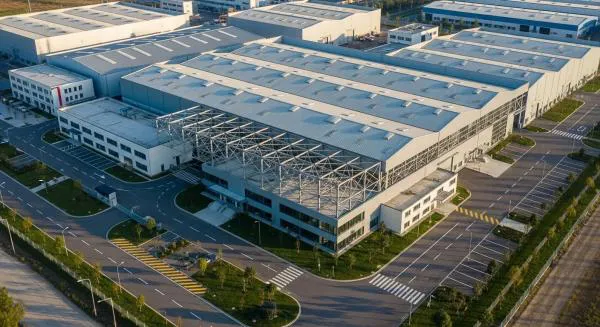
For factory owners, project managers, and procurement professionals, understanding these interconnected drivers is essential to building a sustainable and scalable business model. This article provides a comprehensive breakdown of the key factors affecting ROI and offers practical insights into how steel structure manufacturers can improve profitability in 2026 and beyond.
1. Raw Material Procurement and Supply Chain Optimization
Raw material cost remains one of the most significant variables impacting profitability in industrial steel structure production. Steel prices are influenced by global supply-demand dynamics, energy costs, trade policies, and regional production capacities. As a result, factories that rely on spot purchasing without a clear procurement strategy often experience unstable margins.
A more effective approach involves establishing long-term partnerships with reliable suppliers, negotiating bulk purchasing agreements, and diversifying sourcing channels. These strategies help mitigate risks associated with price volatility and supply disruptions.
Beyond procurement, supply chain efficiency plays an equally critical role. Delayed shipments, poor inventory visibility, and inefficient logistics coordination can lead to production downtime and increased overhead costs. Forward-thinking factories are now adopting digital supply chain management systems to track inventory in real time, forecast demand accurately, and reduce unnecessary stockholding.
By improving both procurement strategy and logistics coordination, steel structure factories can stabilize costs and significantly enhance ROI.
2. Workforce Efficiency and Skilled Labor Management
Labor productivity directly affects both operational efficiency and product quality. In steel structure manufacturing, where precision fabrication and welding are essential, the skill level of the workforce becomes a decisive factor in determining output consistency and project timelines.
Factories that invest in structured training programs, certification systems, and continuous skill development often experience lower defect rates and reduced rework costs. In contrast, companies that overlook workforce development frequently face delays, quality issues, and higher long-term expenses.
Employee retention is another critical element. High turnover disrupts workflow continuity and increases recruitment and training costs. By offering competitive compensation, safe working conditions, and clear career progression pathways, factories can build a stable and experienced workforce.
Ultimately, a highly skilled and motivated team contributes to faster project delivery, improved quality control, and stronger customer satisfaction—all of which positively impact ROI.
…
For more detailed information on the maximizing profitability in 2026: key factors affecting the ROI of industrial steel structure factories, please click to visit:https://www.meichensteel.com/a/procurement-guides/factors-affecting-the-roi-of-industrial-steel-structure-factories.html

