
High-speed wire rod mills are the backbone of modern steel production, enabling continuous processing of steel into coils, rods, and wire with impressive efficiency. However, one persistent challenge in these facilities is vibration, which can compromise product quality, reduce machine lifespan, and increase maintenance costs. Understanding how to troubleshoot vibration issues in high-speed wire rod mills is essential for plant managers, maintenance engineers, and operations teams to ensure safe and efficient operation.
Understanding the Causes of Vibration in Wire Rod Mills
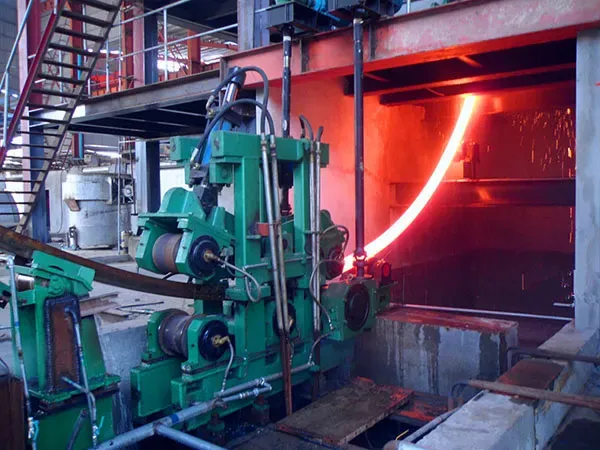
Vibration in high-speed wire rod mills can originate from several sources, and identifying the root cause is the first step toward effective troubleshooting. Common causes include:
Rotational Imbalances: Unbalanced rolls, gears, or motors can generate cyclic vibrations that propagate through the entire mill line. Even minor mass imbalances can amplify at high rotational speeds, leading to severe operational issues.
Bearing Wear and Misalignment: Bearings in wire rod mills support high-speed rotation and absorb radial and axial loads. Over time, wear, improper lubrication, or misalignment can introduce vibration patterns detectable in both amplitude and frequency.
Foundation and Structural Issues: Wire rod mills involve heavy machinery mounted on reinforced foundations. Any subsidence, uneven support, or structural weakness can result in resonance, amplifying even minor operational vibrations.
Material Flow Variations: Inconsistent billet or rod feeding can create irregular torque loads, causing intermittent vibration. Differences in steel composition or temperature during rolling may also exacerbate these issues.
Mechanical Looseness: Loose bolts, worn couplings, or inadequate gear meshing can generate irregular vibration and noise. Unlike harmonic vibration from imbalances, mechanical looseness often appears as erratic or transient motion.
Electrical and Control System Factors: Variable frequency drives (VFDs) and other electronic controls regulate motor speed. Faults or fluctuations in these systems can induce mechanical vibration through torque inconsistencies.
…
For more detailed information on troubleshooting guidelines for vibration issues in high-speed wire rod mills, please click here: https://www.gyssljx.com/a/news/troubleshooting-vibration-issues-in-high-speed-wire-rod-mills.html

